
Buzzing Through Harrisonburg: A Month of Pollinators, Plants, and Community
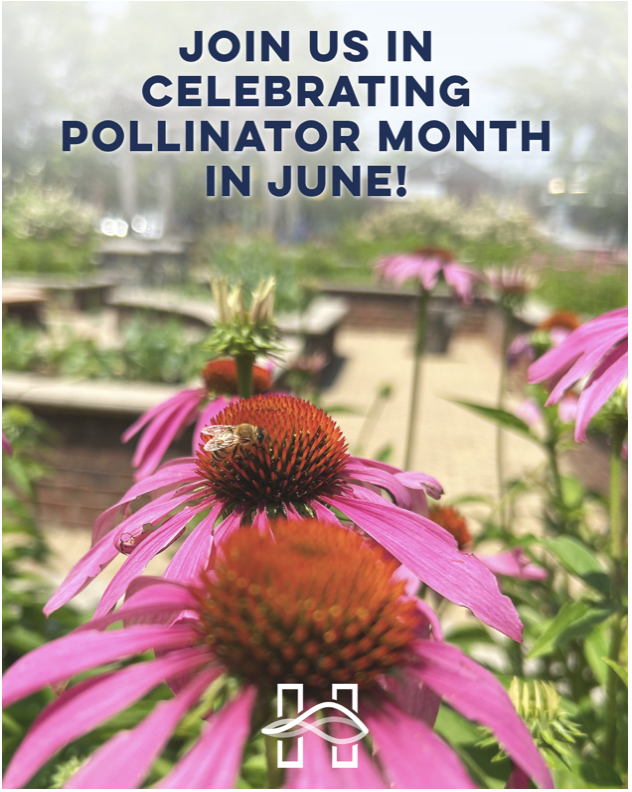
It’s officially National Pollinator Month, and downtown is buzzing with activities, learning opportunities, and community events celebrating the bees, butterflies, birds and other essential pollinators. Throughout June, the City of Harrisonburg is hosting a full lineup of Pollinator Month programs like educational talks, garden-focused workshops, family-friendly activities, and hands-on ways to turn everyday spaces like yards, balconies, and planters into thriving habitats.
Events Happening in June
During First Fridays on June 5th stop by City Hall and enjoy a Pollinator Friendly City Exhibit Opening and reception from 5-7pm.
On June 9th from 8am to 1pm the Harrisonburg Farmers Market is hosting a Pollinator Booth where anyone can go to learn about pollinators and pick up pollinator-themed goodies!
Join a Guided Downtown Pollinator Walking tour on June 9th from 10:30am to 11:30am at Liberty Park (188 North Liberty Street).
Help weed a Liberty Street pollinator garden on June 13th from 9-11am!
Register for Art in the Park and join Julia Stauffer of the Shenandoah Valley Watercolor Society in Libery Park (188 North Liberty Street) for a morning scavenger hunt throughout the park and to create their own plant-inspired art. The sessions are on June 18th from 10am to 11am and 11am to 12pm.
WMRA Feature: Pollinators in the Valley
The importance of pollinators in the Shenandoah Valley has also been highlighted in a WMRA episode called “Pollinators: Butterflies & Bees in the Valley and Beyond.”
The episode explores how pollinating species are essential for producing fruits and vegetables, and how communities across the region are working to protect them. It includes stories from across the Shenandoah Valley and beyond like Monarch butterflies migrating from Mexico, JMU researchers studying pollinators on campus, Girl Scouts supporting bee and bat populations, and even a German city designing pollinator-friendly public spaces.
Overall, the episode connects global pollinator migration with local conservation efforts and community driven actions to support theses essential species.
Pollinators in Your Yard
In March, community members gathered downtown at the JMU Ice House for the Pollinators in Your Yard event, which focused on how everyday gardens can support bees, butterflies, birds, and other wildlife.
A highlight of the event was an amazing panel discussion featuring local gardeners who have transformed thier yards into thriving pollinator habitats. Their stories, insights, and advice reinforced a key idea that pollinator gardens don’t need to be perfect or expensive, they just need curiosity, patience, and a willingness to let nature take part in the process.
As Pollinator Month continues across Harrisonburg, these stories can offer inspiration for anyone looking to participate, whether by attending downtown events, planting their own pollinator garden or simply noticing the pollinators already at work in their own neighborhood.
Meet the Gardeners
Facilitator: Lee Brown (Assistant Professor, JMU Biology) asked questions to local gardeners:
Jennifer Cottrell- Gardening Connection; Myers Ave
Chris O’Brien- Director of UX & AI Architect; Ott St
Heather Griscom- Professor, JMU Biology; Franklin St
Most of these gardens are located in Harrisonburg’s Old Town and Spotswood neighborhoods.
Why They Started Their Pollinator Gardens
Jennifer:
Jennifer’s pollinator garden started with the practical problem of her yard being to rocky and difficult to mow. She decided that instead of struggling with the lawn, her and her husband could transform the spot into a pollinator sanctuary they like to call Meditation Meadow.
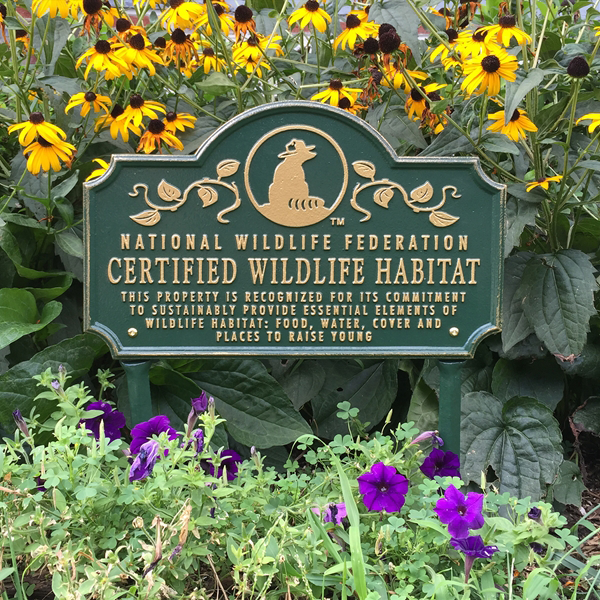
In the garden they have native flowering plants, decorative Buddha statues and the perfect habitat for birds, insects, and small wildlife.
Their yard earned National Wildlife Federation habitat certification, making it an official wildlife sanctuary.
Jennifer shared that:
“It’s a labor of love. It is not maintenance free like we thought, but the wildlife they attract makes the work worthwhile!”
Chris
Chris did not originally set out to create a pollinator garden but during the Pandemic, he began thinking about fishing trips with his father, who used to point out wildflowers along riverbanks. One flower he remembered clearly was bee balm. He decided to plant some which lead to him planting more flowers.
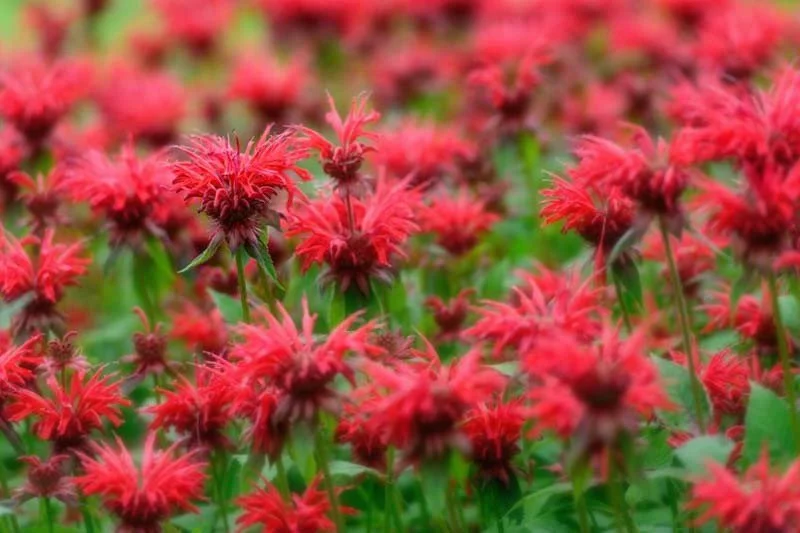
Bee Balm
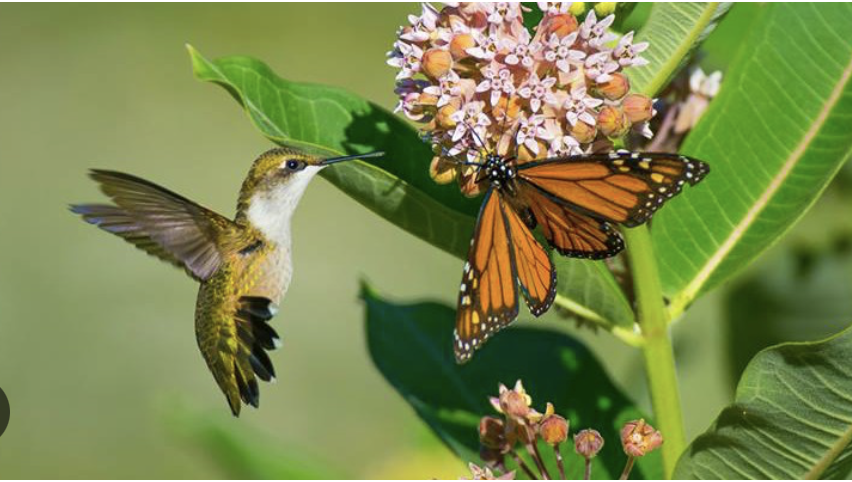
Soon, the garden expanded into a diverse garden filled with bees, butterflies and hummingbirds.
He encouraged people to garden in a way that feels right to them. Instead of focusing on what others might think looks beautiful, gardeners should create spaces that reflect their own interests and enjoyment. When you stop trying to match someone else’s idea of the “perfect” garden and start gardening for yourself, the process becomes much more rewarding.
Heather
Heather is a professor at JMU who studied Plant Biology in undergraduate and graduate school. She grew up on a farm in California and comes from a family of gardeners. When she moved to Harrisonburg, her new yard looked familiar: grass and sod.
Instead of removing the entire lawn at once, she slowly transformed it. She started with digging up small patches of sod, then added plants from neighbors, scattered seeds and observed what would grow.
She gets inspiration from walking around and seeing what other people have planted throughout the year. She also has both native and exotic plants in her yard.
Over time, the garden evolved through experimentation. Some plants thrived, others didn’t and the garden became both a scientific curiosity as a place for relaxation and escape for her.
Advice for Creating a Pollinator Garden
The gardeners shared several insights for anyone interested in starting their own pollinator garden.
Start Small
Many beginners feel overwhelmed by the idea of replacing their entire lawn. Instead, the panelists recommended starting with a small patch and expanding it over time. This allows gardeners to learn gradually and manage the workload more easily.
Plant Diversity Matters
Planting a wide variety of plants helps create a longer blooming season. more nectar sources, and a habitat for many pollinator species. While native plants are especially beneficial, the panelists emphasized flexibility. Some non-native plants can still provide valuable nectar sources.
Be Aware of Plant Potential
Multiple gardeners shared how they had to learn what was best for each plant to help them thrive. Be sure to research how to properly cut back your plants and to not be afraid of it.
One strong piece of advice given was to avoid too much mulch. Mulch may make gardens look tidy, but it can prevent plants from spreading naturally. Heather recommended using fallen leaves as a natural soil builder. By collecting leaves from your yard or your neighbors yard and spreading them across your garden beds as the leaves decompose, they improve soil fertility and support plant growth without having to purchase soil amendments.
Look for Bargain Plants
Starting a garden doesn’t have to be expensive.
One panelist described regularly visiting clearance racks at garden centers. They said that plants that looked stressed are often heavily discounted and that once they are planted they recover quickly. Fall sales are also a great opportunity to buy plants.
They also suggest buying plants that aren’t blooming can actually be better. At that stage, the plants may look unimpressive, but their root systems are strong and ready to be established in the garden.
There are also great opportunities locally to get plants for free or at a very low cost. The garden swap at the Friendly City Food Co-op, held once or twice a year, is a great place to pick up free plants from other gardeners. In addition, the Central Shenandoah Valley Extension Master Gardeners host a spring plant sale around Mother’s Day weekend, where a wide variety of plants are available at affordable prices.
Local Resources
The panelist share their favorite resources!
The Edith J. Carrier Arboretum offers:
Native plant demonstrations
Educational programs
Annual plant sales
Gardening groups connected to local lifelong learning programs allow residents to exchange ideas and plants.
Share Plants with Neighbors
Talk to people who have plants! Pollinator gardening often becomes a community activity.
Gardeners frequently have extra plants that spread aggressively, like asters or obedient plant. Instead of discarding them, they offer them to neighbors or place them by the sidewalk with a “free plant” sign. This informal exchange makes gardening affordable and builds neighborhood connections.
Observe and Adapt
One of the most valuable skills to have is observation. Watch how plants behave throughout the season:
Which plants attract the most insects?
Which plants grow too aggresively?
Which thrive in sun or shade?
Gardens constantly evolve, and successful gardens adapt rather than forcing plants to behave a certain way.
Chris shares that
“Get out and enjoy your garden and observe…If something doesn’t work out thats okay, embracing the attitude of learning has been successful for me”
Surprising Moments in the Garden
Each panelist described memorable experiences from their gardens.
Chris found that planting red bee balm created a hummingbird pathway through the yard. By spacing them out from the backyard to the front, the hummingbirds began traveling along the flowers, even stopping near a chair where the gardener sat.
Heather discovered that Mexican sunflowers attracted large numbers of monarch butterflies during their fall migration. Her and her daughters love to watch them together each year.
Unexpected wildlife also appeared as gardens matured, including praying mantises, frogs, and songbirds.
Favorite Pollinator Plants
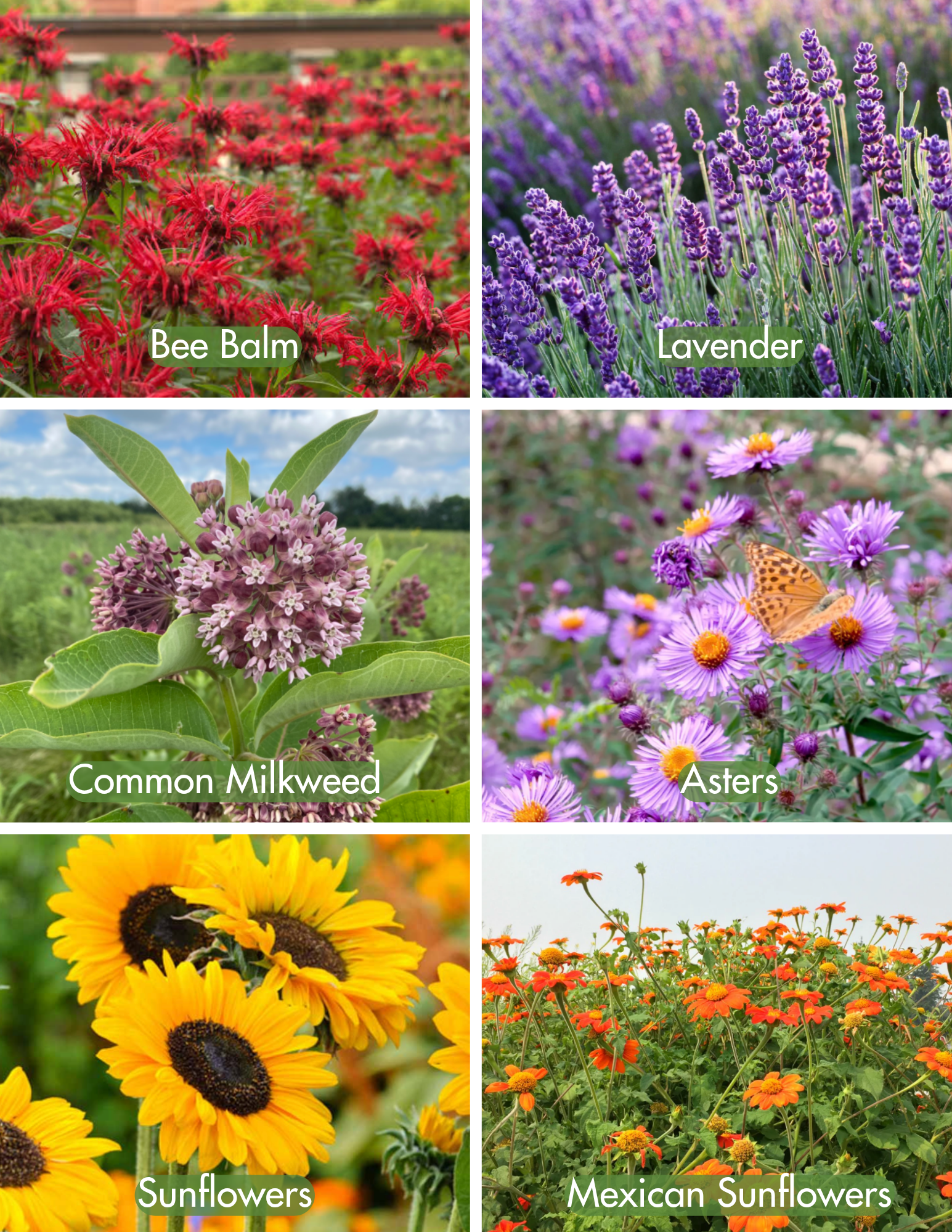
The gardeners mentioned several plants that consistently attract pollinators:
Bee Balm
Lavender
Common Milkweed
Asters
Sunflowers
Mexican Sunflower
Different plants shine during different seasons, so a diverse garden ensures pollinators have food throughout the year. Sunflowers, for example, attract goldfinches, while milkweed supports monarch butterflies.
Don’t Forget Water
Another commonly overlooked feature is water.
Pollinators benefit from shallow water sources like birdbaths, shallow dishes with rocks, and small ponds.
Some gardeners even create pond systems that support frogs, fish and other wildlife.
During dryer months like July it is also helpful to have automatic watering systems in your garden so you don’t have to keep watering your garden all the time and can just enjoy it.
A Garden That Builds Community
Perhaps the most inspiring takeaway from the discussion was how pollinator gardens strengthen neighborhoods.
As one panelist notes:
“It only takes one person to start digging up their lawn.”
Soon neighbors become curious. They plant their own gardens. Plants get shared and conversations start.
Pollinator gardens don’t just support wildlife, they build community.
FAQs
Where can I find pollinator gardens in Downtown Harrisonburg?
Downtown Harrisonburg has several places where you can observe our pollinator-friendly plants and habitats. Liberty Park is a great place to start, and from there you can find many planters scattered around downtown. Take a walk and be sure to look closely- you might spot bees, butterflies, and other pollinators visiting these locations throughout the friendly city.
Why are pollinator gardens important for Downtown Harrisonburg?
Pollinator gardens support bees, butterflies, birds, and other wildlife while adding beauty and biodiversity to the downtown landscape. They can even help to bring our community closer through shared plants, conversation, volunteer projects, and community events. A single planter might seem small, but together it helps to create a more connected, and vibrant habitat throughout Downtown Harrisonburg.
How can I get involved in pollinator efforts Downtown Harrisonburg?
Attend local workshops, walking tours, garden activities, plant swaps, and other community events focused on pollinators and native plants. You can also volunteer at community garden workdays, share plants with your neighbors, or even start a small pollinator-friendly space of your own!
What plants grow well in pollinator gardens around Harrisonburg?
Local gardeners have found success with plants such as bee balm, common milkweed, asters, sunflowers, and lavender. You might notice a variety of plants blooming at different times of the year, to aid in providing food for our pollinators in their respective growing seasons.