Sage Bird: Five Years of Creating Sense of Place
After celebrating its fifth anniversary in August, Sage Bird enters its sixth year with expanded offerings, a new kitchen, and an unwavering commitment to showcasing Virginia's agricultural heritage through every glass they pour.
Building Community, One Cider at a Time
Source : Sage Bird
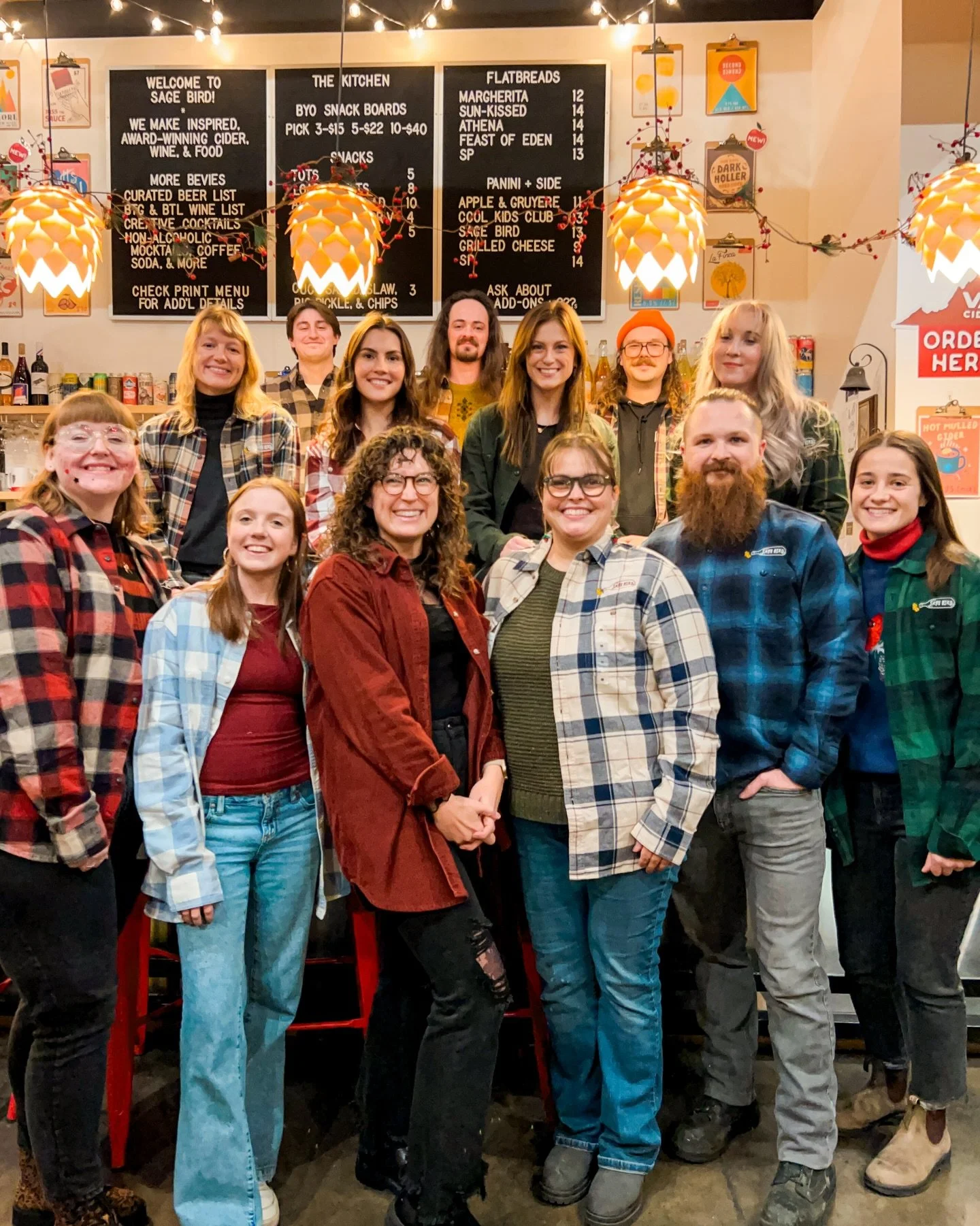
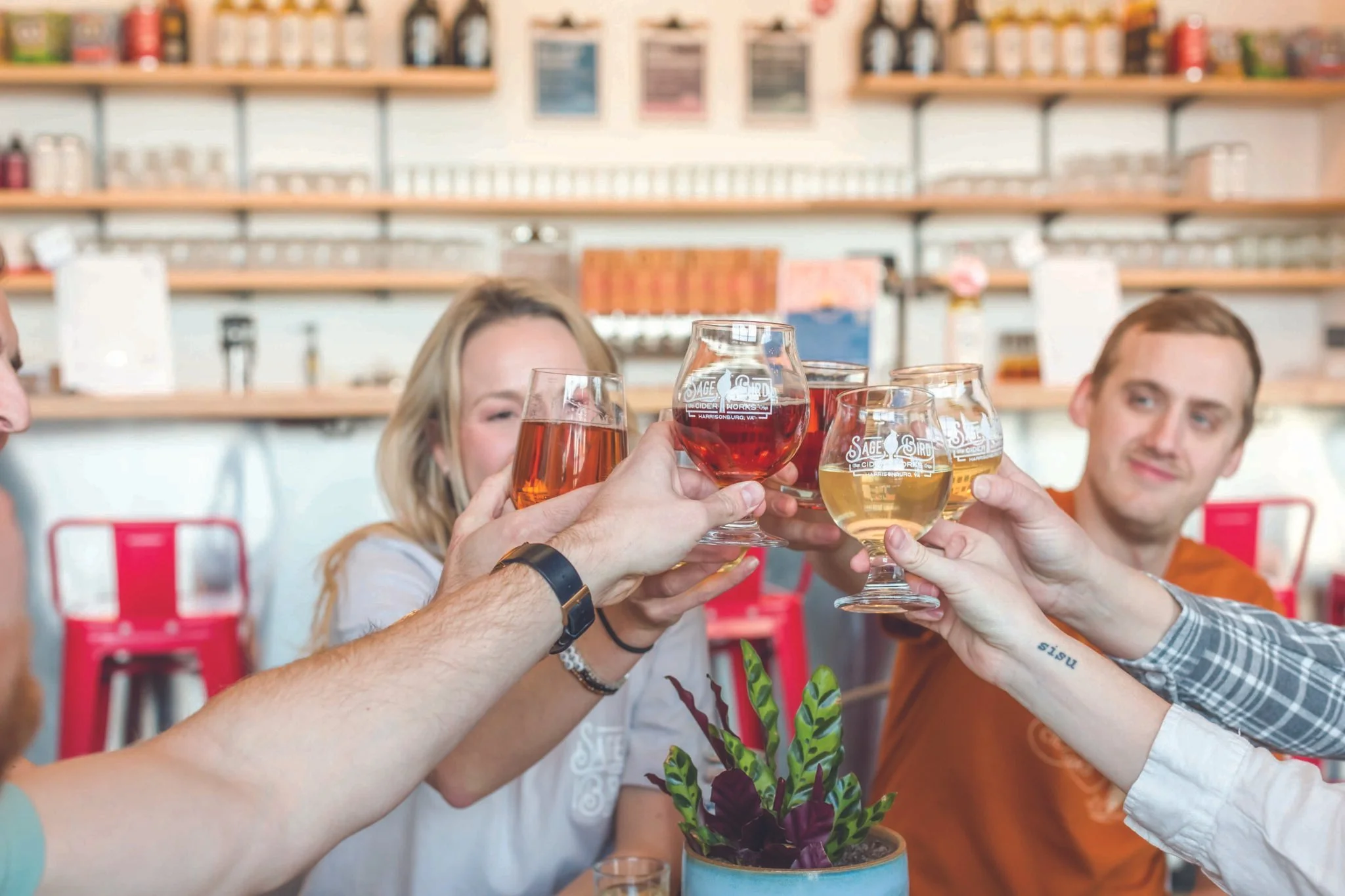
“ Never thought that this would be what we’re doing. The thing that I’m most proud of is the community that we have built here. I didn’t think about how I would be a part of those people too, and not just Sage Bird, and not just the building as a host for people, but like I’ve met some of my best friends through Sage Bird.”
That sense of community extends beyond friendships. Staff members have met their partners at Sage Bird. Couples have gotten engaged there. The taproom has become more than a place to drink—it's become a gathering space where different communities converge around art, music, food, and of course, exceptional cider.
From Basement Homebrewing to Production Cidery
Source : Sage Bird
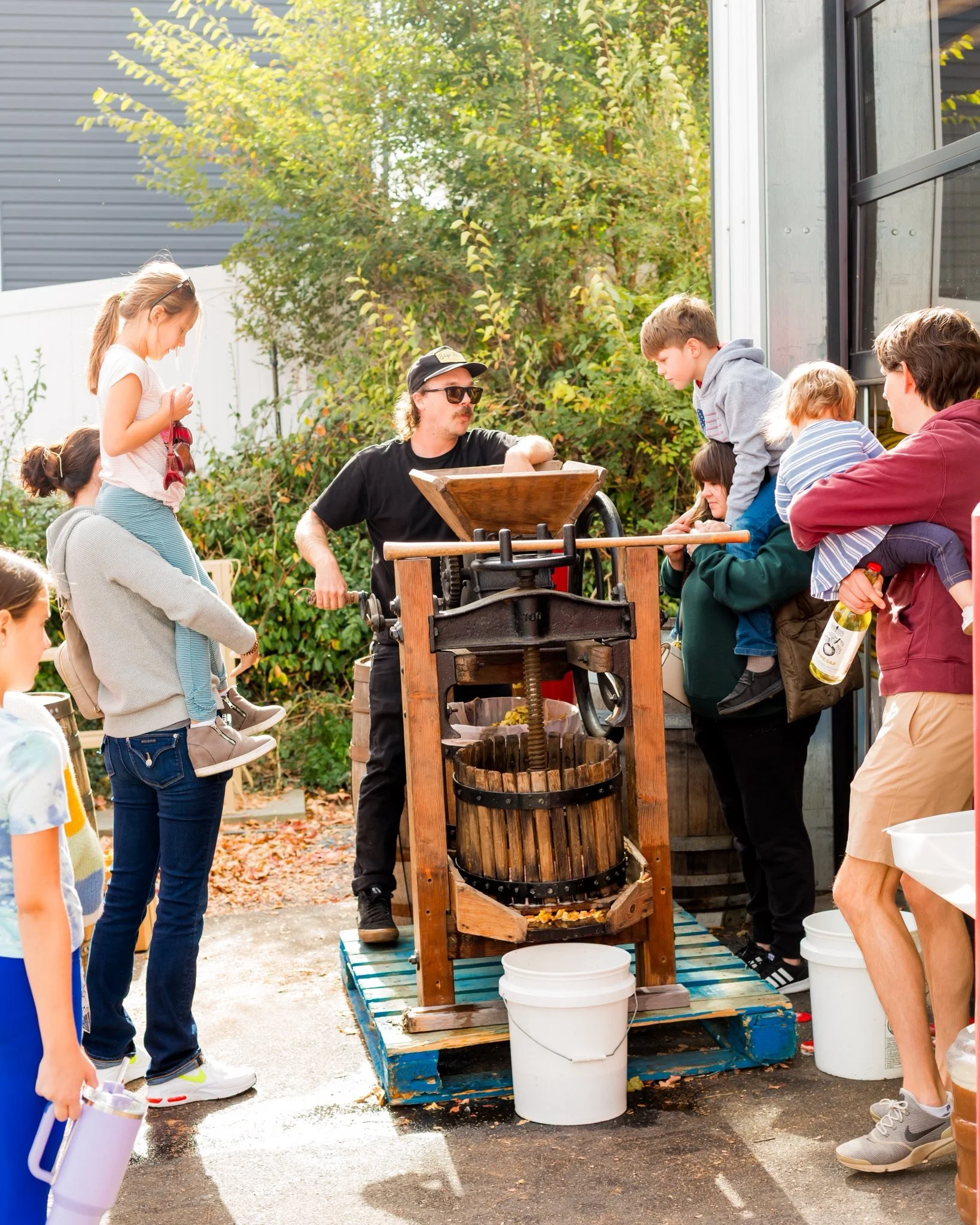
The journey to Sage Bird began in 2014 when Amberlee and partner Zach started homebrewing in their basement. What began as five-gallon batches shared with friends at holiday parties and art shows eventually grew into something bigger—an underground favorite that people actively sought out.
"So many of our friends were asking to get growlers of cider to bring to their holiday parties or shows, and those people who don't even know us were drinking it and liking it," Amberlee recalls. "So maybe this is the next step for us."
That next step led them to open Sage Bird in downtown Harrisonburg in August 2020, starting with just the front room. Today, their smallest batch is 150 gallons—a size that's still small in the grand scheme of cider production, but represents tremendous growth from those basement days. Everything remains hands-on: they press, ferment, can, and pour it all themselves in their compact production space.
The Age-Old Apples Philosophy
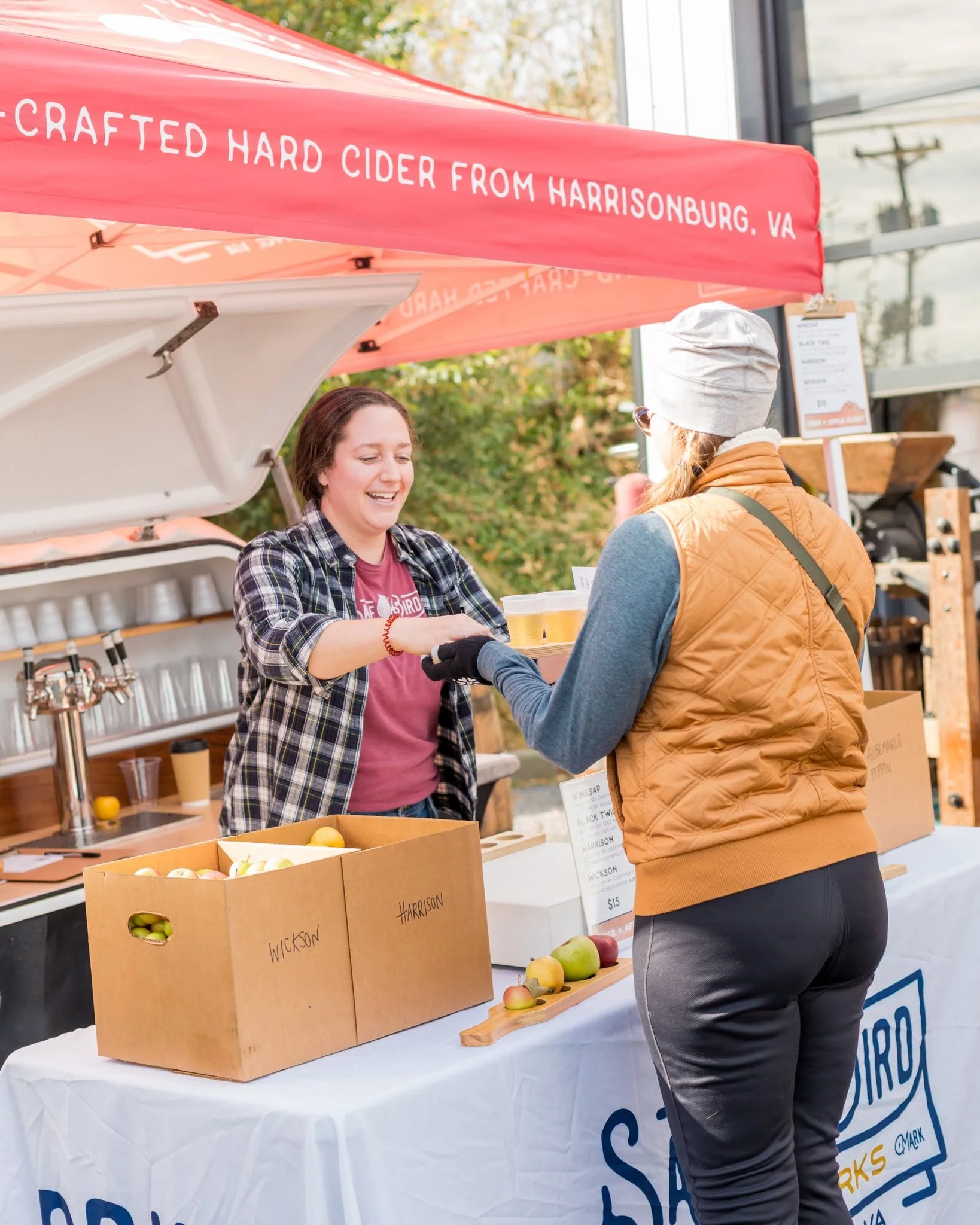
At the heart of Sage Bird's production is the Age-Old Apples series, featuring single-varietal heirloom apple ciders that aim to educate drinkers the way wine does with grape varieties.
“We really want all of the products that we make here to create a sense of place, of Virginia. That is the whole goal. We love grapefruit cider, but we aren’t going to make one because you just can’t grow grapefruits naturally in Virginia.”
"Just like when you hear Chardonnay, that is the name of a grape, and you know an idea of what that's going to taste like, well, Albemarle Pippin is the same thing, but that's an apple," Amberlee explains.
The cidery sources heritage apples like Albemarle Pippin, Hewes Crab, Black Twig, and Ashmead's Kernel—varieties you won't find at the grocery store. This dedication to showcasing Virginia's apple heritage (the state ranks sixth nationally in apple production) reflects Sage Bird's larger mission: creating a sense of place.
"Our logo, our name, is all derived from Sage, meaning wise, and Bird—Cardinal. So we really want all of the products that we make here to create a sense of place, of Virginia. That is the whole goal," says Amberlee.
Celebrating Virginia's Native Fruits
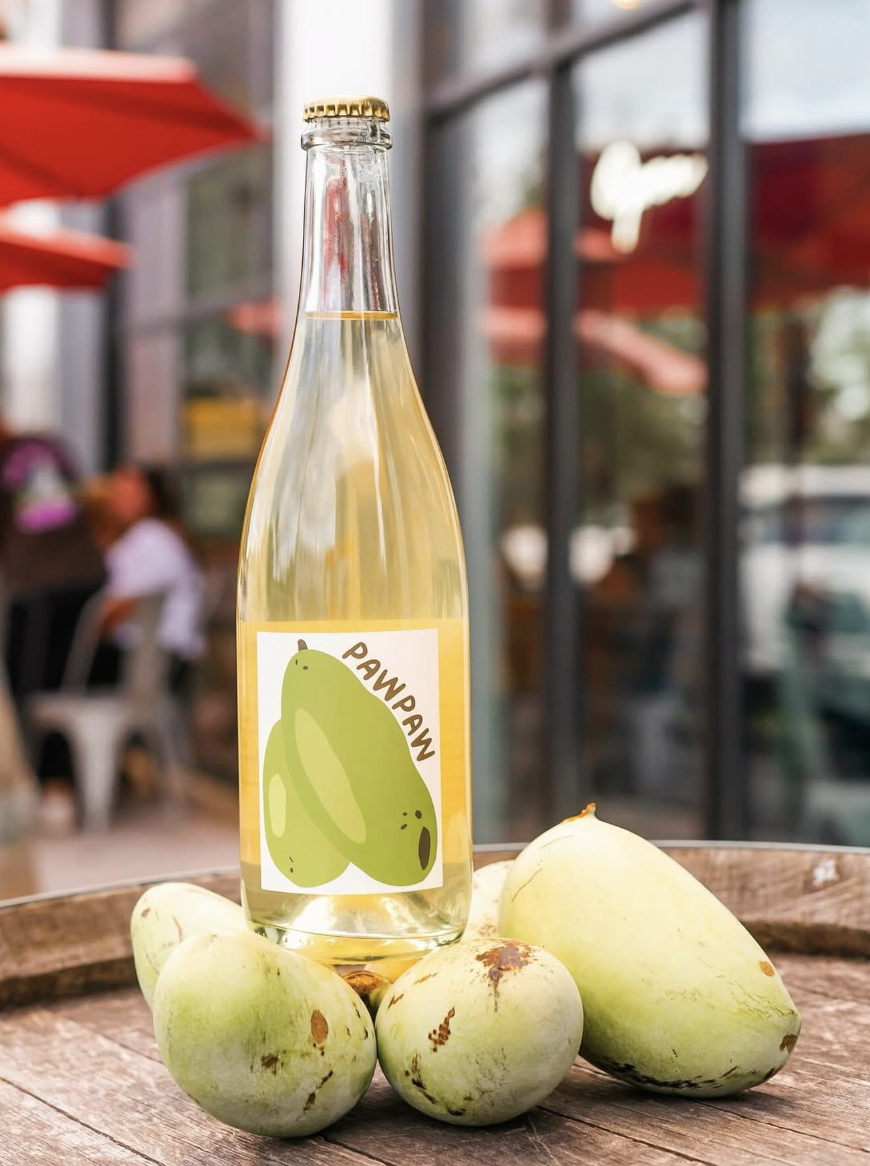
This philosophy extends to Sage Bird's experimental ciders featuring hyper-local and native Virginia ingredients. In year five, they finally realized a long-held dream: pawpaw cider.
Source : Full Stream Brewery
For those unfamiliar, pawpaw is a tropical-flavored fruit (imagine a mango-banana hybrid) that grows natively along the Shenandoah River. Because it's fragile and doesn't store well, it's rarely commercially produced—making it a perfect example of the rare, regional flavors Sage Bird seeks to preserve.
The pawpaw cider sold out in three weeks, with customers messaging to reserve bottles and buying cases at a time. Sage Bird even brought in pawpaws from a neighbor's trees just a few blocks away to show staff and customers what this elusive fruit looks like.
"We want to support these people and these families and this local special fruit that I want to see surviving," Amberlee emphasizes. "Support what you love and what you want to see and what you think is cool. It's not going to be the cheapest option, but that's a big part of being community-minded."
Other creative Virginia-sourced ciders have included mulberry and a watermelon-cucumber cider made with cucumbers from their own garden and watermelon from the Dayton Farmers Market.
Expanding into Wine
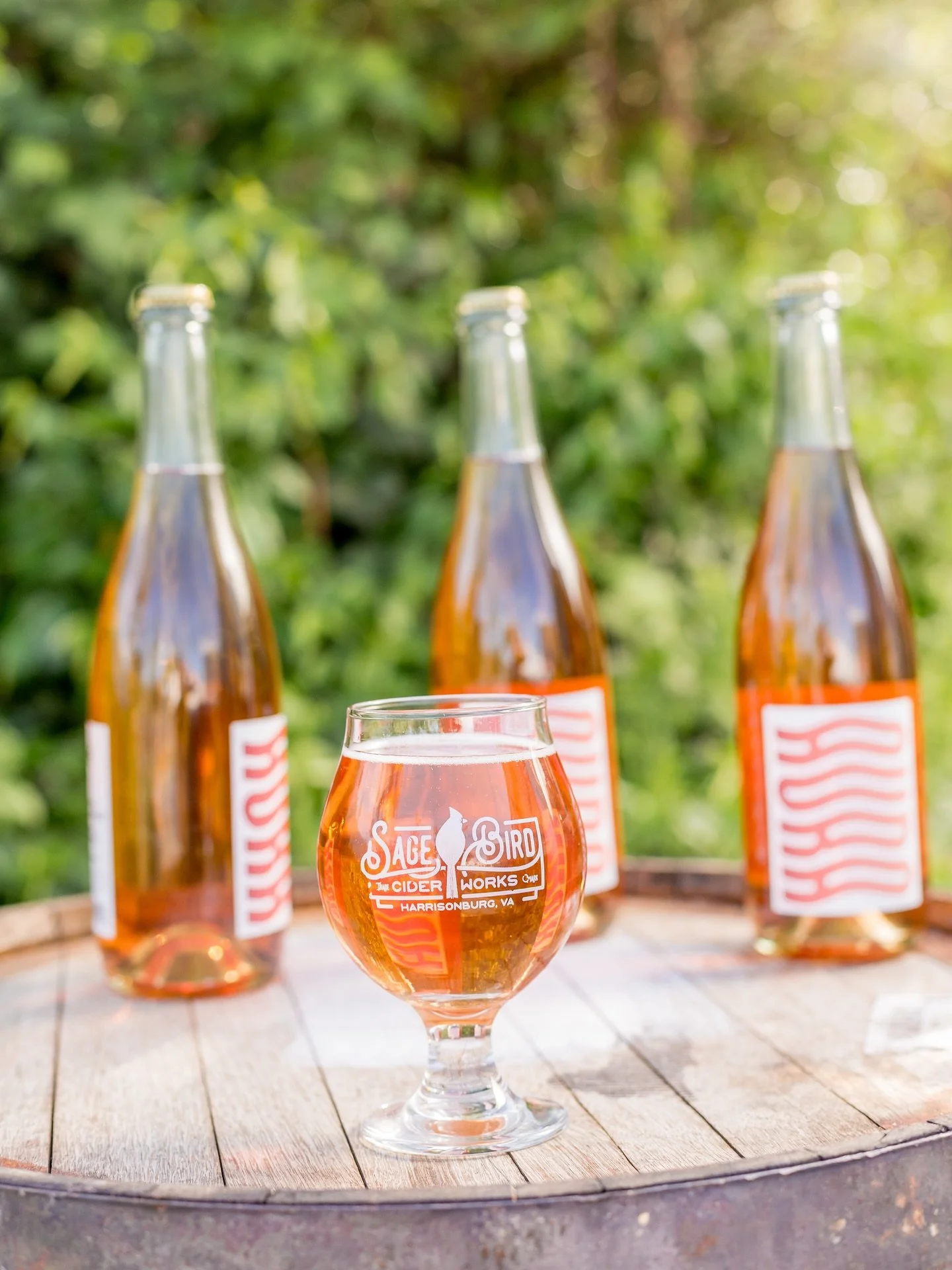
In 2024, Sage Bird took its first steps into winemaking—a natural progression given that cider and winemaking follow the same fermentation processes.
Source : Sage Bird
"Our favorite ciders are wine-style ciders," Amberlee notes. "So for our favorite ciders to be these single varietals that really highlight the fruit, it felt like a really natural progression."
The cidery partnered with local vineyards to source grapes, including Vidal Blanc, Cabernet Sauvignon, and Albariño (a Spanish grape that connects to their research on Spanish cider traditions). They're also experimenting with rosé and a white Piquette—a sparkling wine-style product made by rehydrating and re-pressing grape skins that wineries would otherwise discard.
"There are a lot of rules in wine, but cider doesn't have that as much, which we love. It allows us to be fully creative," says Amberlee. "We're kind of taking that approach with our wines a little bit. We want to make things that we want to drink, so they've got to taste good, but don't have to be a traditional style of wine."
In true circular-economy fashion, Sage Bird sends its grape and apple skins to local farmers Bryce Yoder and Alexandra for composting—keeping waste out of landfills and back in the soil.
From Food Truck to Full Kitchen
Source : Shenandoah Community Capital Fund
The biggest transformation of 2024 was moving from an outdoor food truck to a full kitchen inside the taproom. The change solved multiple challenges: customers can now order everything at the bar, the kitchen and bar staff work together as one team, and Sage Bird could finally obtain an ABC license to serve beer.
“We built the flatbreads inspired by the drink menu, which I think sometimes happens the other way around. It was cool to think, ‘What would go well with our Albemarle Pippin? Maybe lemon and smoked Gruyere? We have a beer called Pizza Night right now, which pairs perfectly with our traditional Margarita Flatbread, our best seller. We were just in Italy, so we came back and made a pesto, olive roasted red pepper flatbread.”
The entire menu can be made gluten-free (crucial since many people drink cider specifically for that reason), with ample vegan and vegetarian options. Monthly seasonal specials allow for creative collaboration—sometimes they'll ask musicians performing that month what their dream flatbread would be.
"We just want to make it easy for people to hang out, like, no barriers," Amberlee says. "You want beer? Great, you got it. You want gluten-free flatbread? Got it. You want a vegan corn dog? Got it."
The Gallery as Community Space
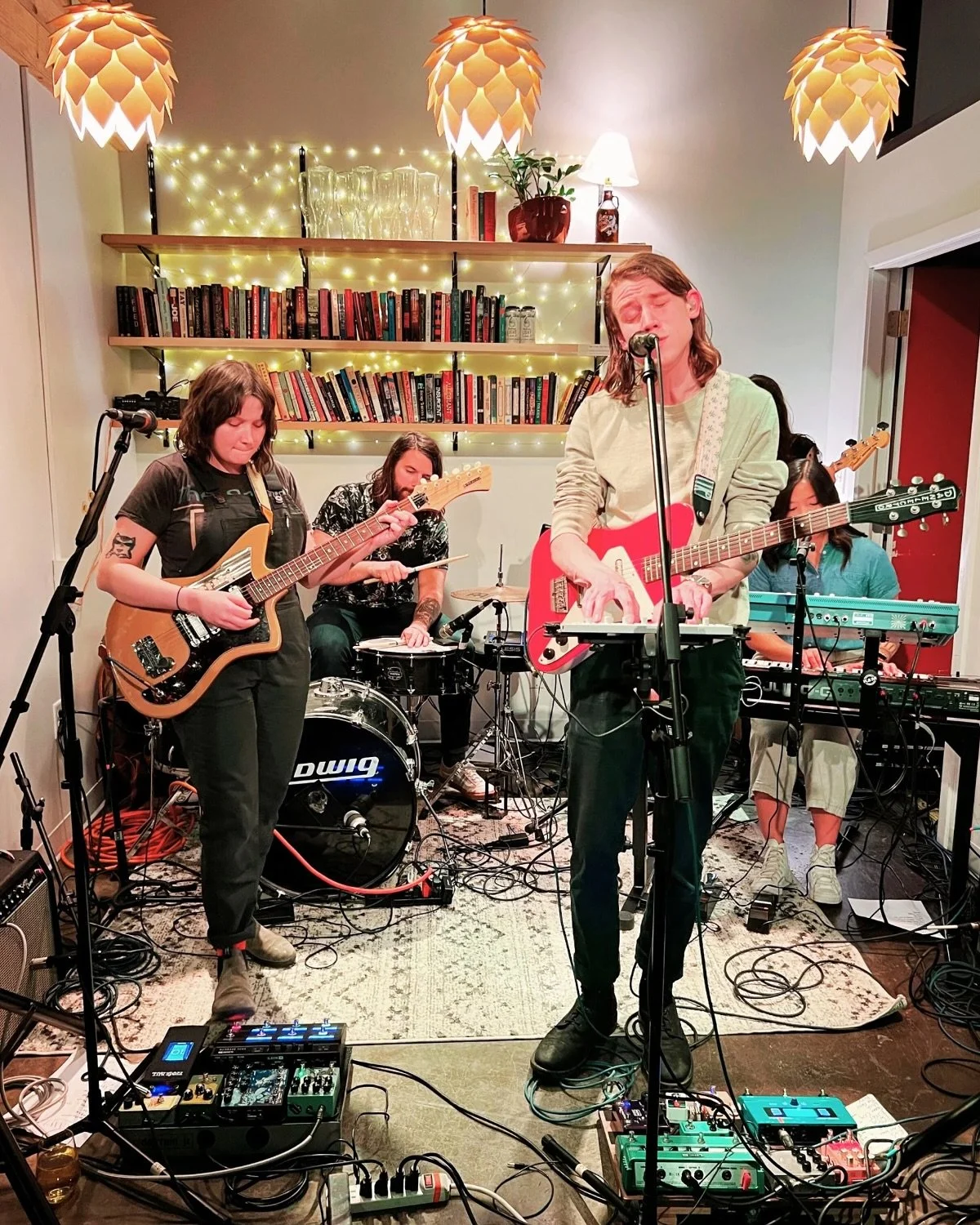
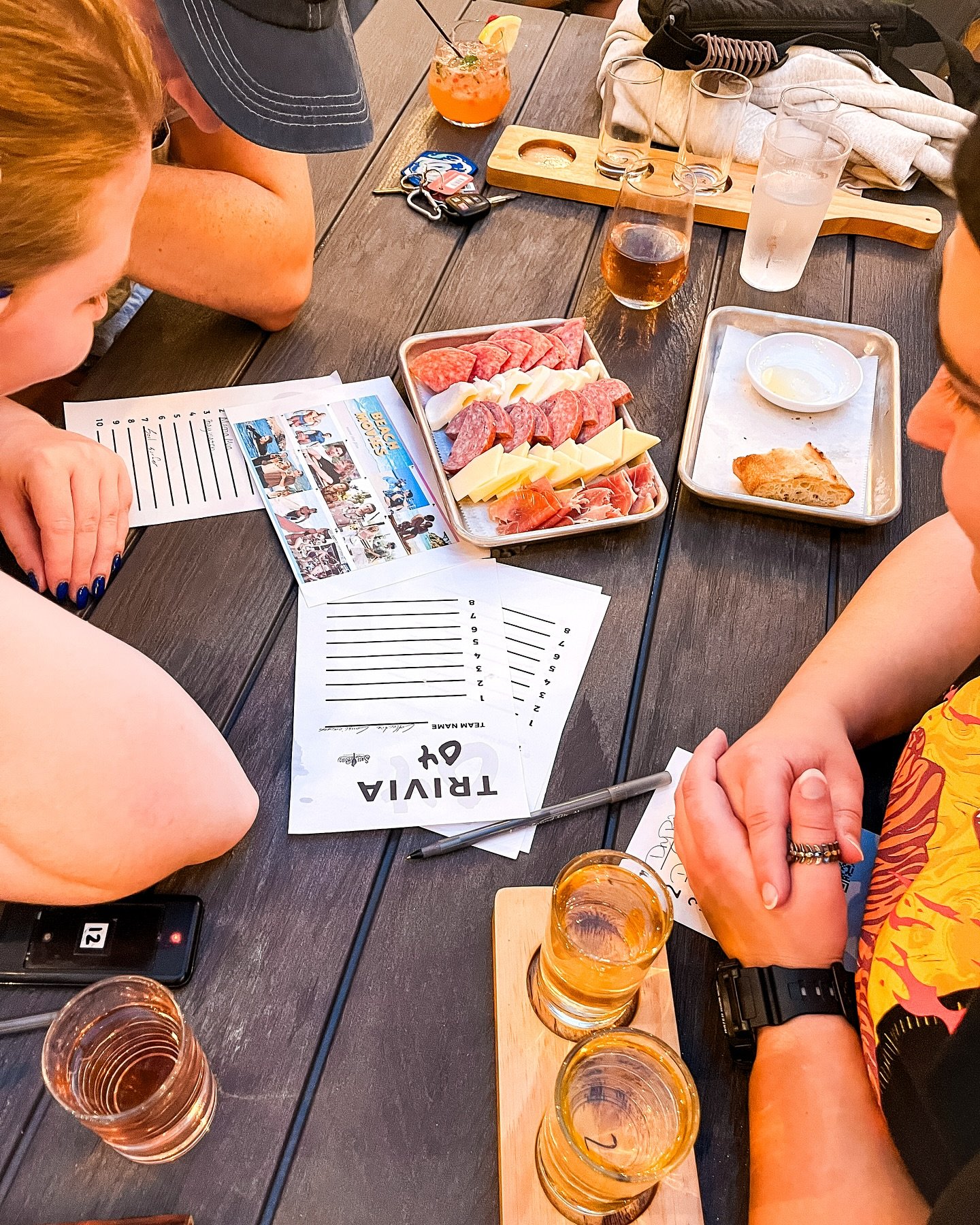
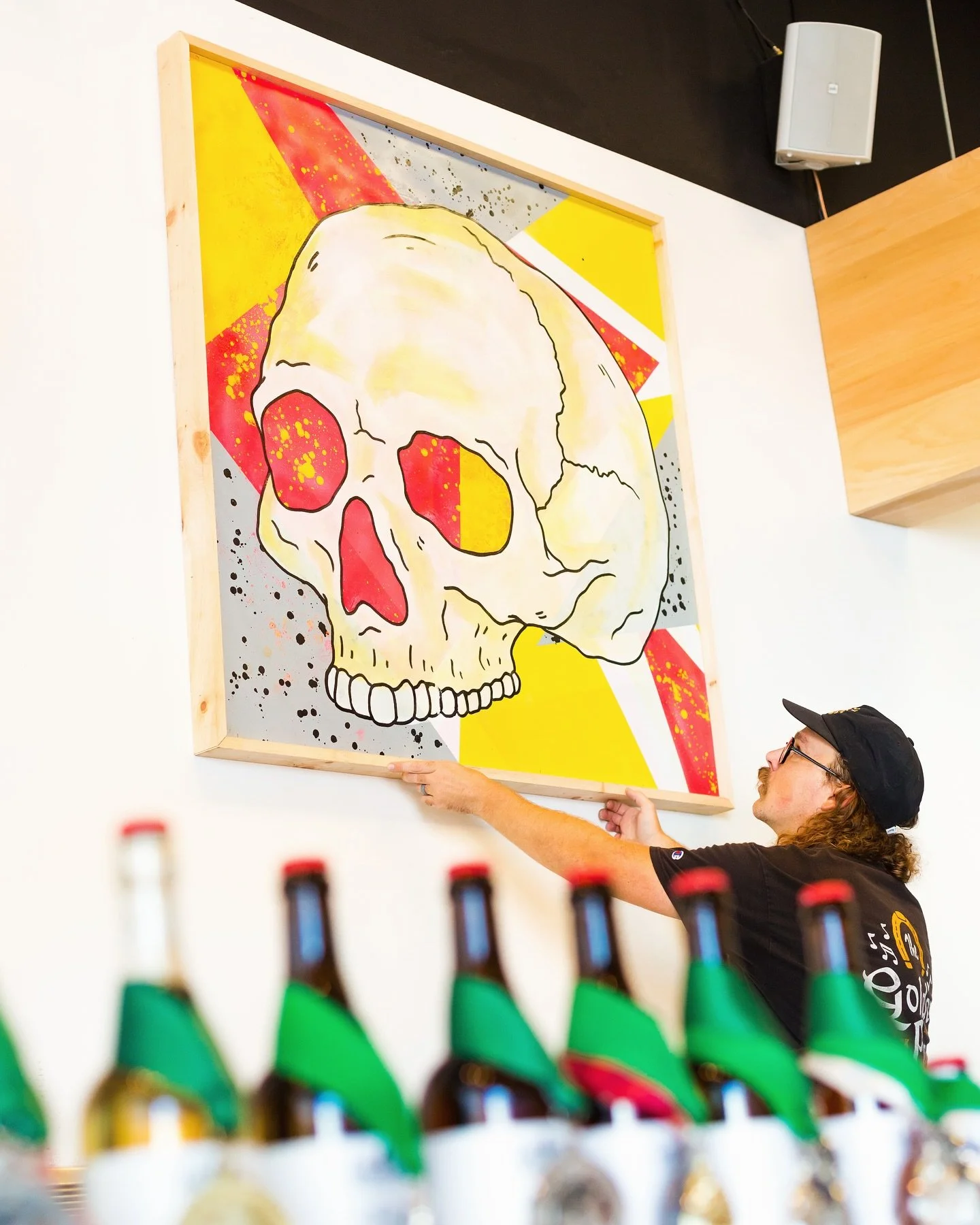
The gallery expansion in year two has become another vital piece of Sage Bird's community-building mission. As artists themselves, Amberlee and Zach wanted to provide a space for local creators to showcase their work.
"There are so many different pieces of Sage Bird that allow different people to come in," she reflects. "So many different groups have found their place here, whether that's art, whether that's music, whether that's food and drink, foodie stuff, or anything like that."
The gallery hosts rotating exhibitions and has become an important venue for Harrisonburg's visual arts community—just one more way Sage Bird serves as a cultural hub in downtown.
Looking Ahead
Source : Sage Bird
As they enter year six, Sage Bird continues to explore new possibilities. They're interested in collaborating with local breweries to create a Sage Bird-branded beer, building on their new ability to serve craft beer in the taproom.
But regardless of what new projects emerge, the core mission remains constant: celebrating Virginia's agricultural heritage, supporting local producers and farmers, and creating a welcoming space where community happens organically.
"Support what you can, even if it's not the easiest option or the cheapest option," Amberlee urges. "Don't buy that on Amazon. Go down to the local market and get it. It's a little harder because you have to drive there, but that is going to change someone's life in this town. I own a business in this town, and I want people to think about that with my business. So I need to think about that with others too."
It's that philosophy—of connection, of place, of community—that has made Sage Bird far more than just a taproom. It's become a gathering space, an arts venue, a champion of local agriculture, and a testament to what happens when businesses prioritize people and place over convenience and profit margins.
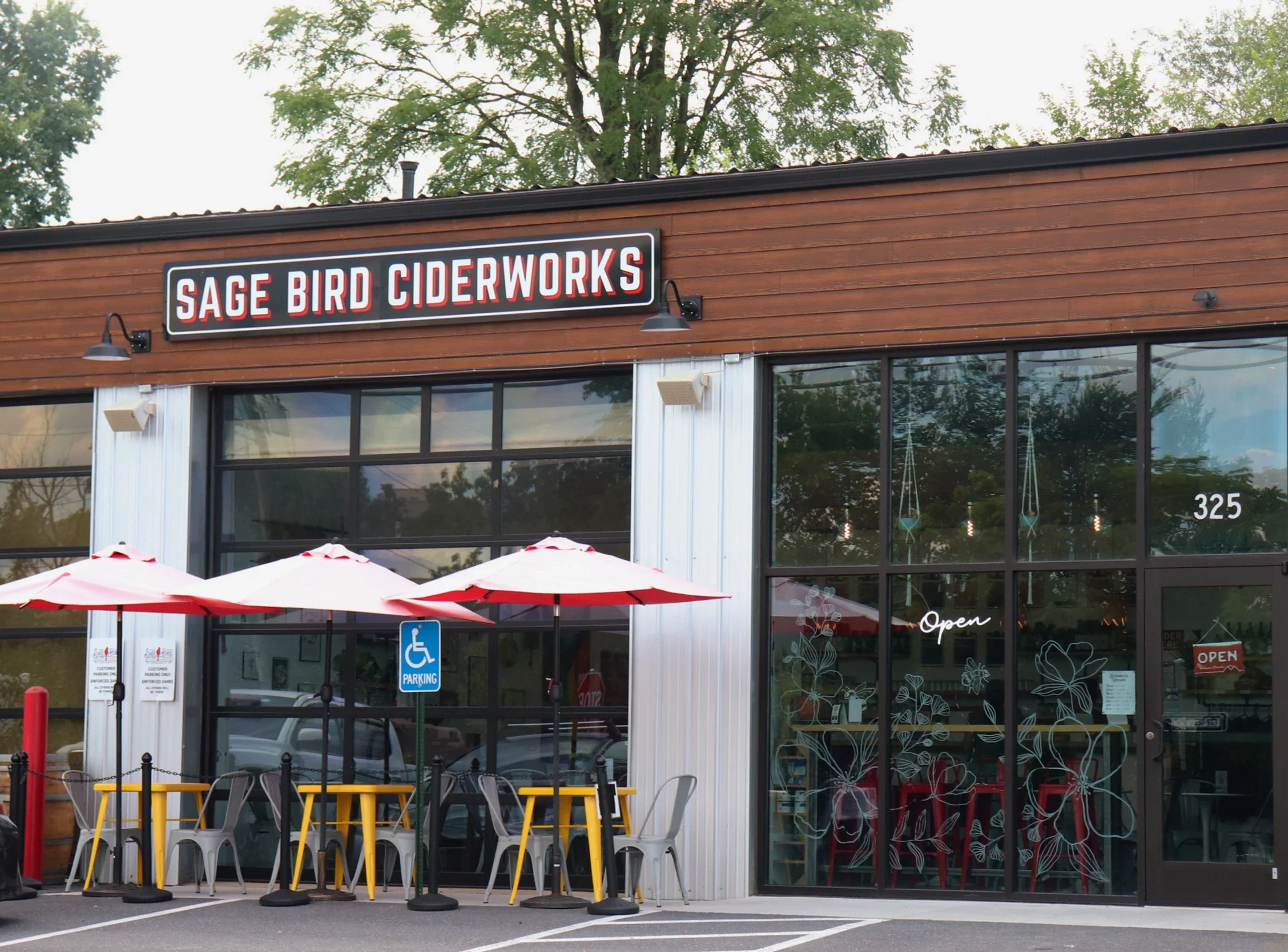
Sage Bird is located at 325 N Liberty St, Harrisonburg. Visit them for cider, wine, flatbreads, and rotating art exhibitions. Follow them on social media for seasonal offerings and special releases.
Interview by Sarah Golibart Gorman | Written & edited by Michelle